
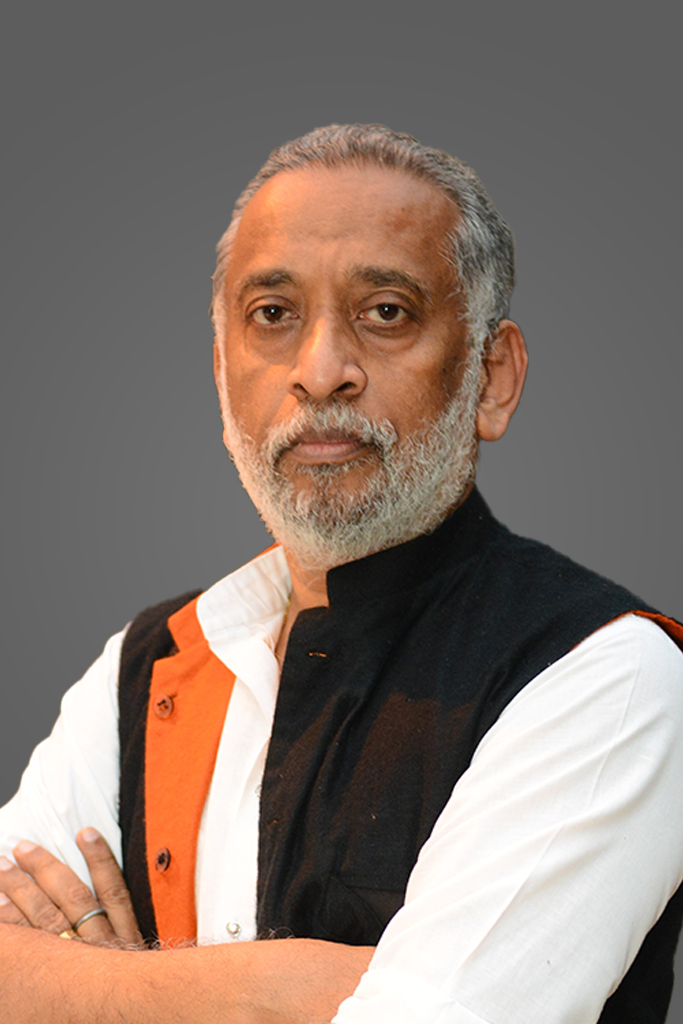
Dilip Cherian is the Co – Founder of Perfect Relations. He is currently a consultant to multiple organisations
An Unfolding Journey
In my view, the future of PR is still unfolding. We can expect new possibilities and significant changes to emerge as we navigate three major factors. These factors are the hyperlocalisation of media, the disintermediation enabled by social media for CEOs and founders, and the disruptive impact of AI-driven creative tools. These trends are pivotal, and I will describe each one in detail below.
Firstly, the consumer, policy maker, judge, decision maker, rival CEO, potential employee, shareholder, analyst, bureaucrat, GST collector, and factory inspector all represent the target audience that any communication program will ultimately address. These diverse stakeholders are crucial to consider in any PR strategy.
The main idea is to understand what captures their attention, and most of the time, it’s social media. Additionally, communication today often happens via WhatsApp and other digital media platforms. These methods share a common factor: they are accessed through handheld devices, primarily smartphones. Beyond these, there are other forms of media like television, newspapers, magazines, radio, cinema, and events.
In the attention-scarce economy we’re entering, people are likely to browse content on their handheld devices. While they may be exposed to other media, their attention will frequently return to the small screen in front of them. This results in divided, minimal, and fragmented attention. These factors will significantly impact the methods of doing PR in the future.
I’ll give you a recent example. A woman complained about being groped on a flight by an executive of a company. She tweeted about it to the chairman of the company. I messaged the chairman of the company, asking if he had seen the tweet. He responded that he had already apologised on Twitter and announced that action would be taken immediately.
This brings me to my second point: today, a CEO has a device that allows them to jump into the communication process directly, bypassing the lawyer, the broker, the PR advisor, and the corporate strategist. The CEO’s response on Twitter was perfunctory, primary, and minimal, yet he believed it was sufficient. In my opinion, it was not enough.
This example illustrates how PR has changed. A senior advisor reaches out to the chairman or founder about a problem on social media with legal, stock market, and regulatory implications. The CEO decides to address all of these issues within 10 minutes by sending a direct message himself, adding a layer of authenticity to the response. Although the message may incorporate parts of a draft provided to him and is curated to fit the medium, it is definitely in his own language. However, it lacks empathy, robustness, and adequacy for the situation. This highlights the CEO’s ability to respond directly and the tendency for many CEOs, who have received perfunctory training, to believe they can handle PR and its fallout themselves.
The final aspect to consider is the role of AI. Could AI have helped the CEO crowdsource examples of how other owners or founders apologised when an employee was caught on the wrong side of the law? Yes. Could AI have provided ample material, drafted responses, and revised them? Absolutely. In essence, much of the content creation, research, and revision traditionally handled by consultancies and experts is increasingly being taken over by various AI tools.
In the next five years, we will likely see the number of top-level CEOs who are unaware of or do not use these tools diminish. This raises a crucial question: what will be the role of PR in such a landscape? That is the question that stays alive today.
Read more about their journey and thoughts in the book Spark. Get a copy at bit.ly/sparkthebook