
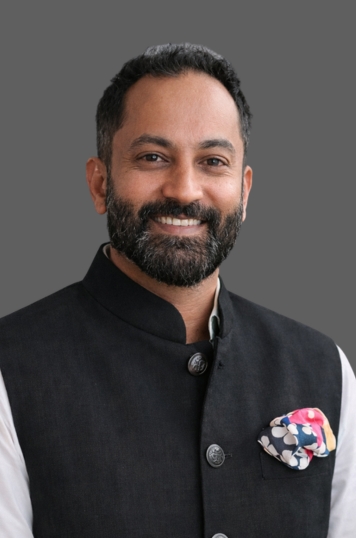
Nikhil Pavithran is the COO at Kaizzen (India & Global)
The Future of PR: When Algorithms Meet Authenticity
For a profession that has spent decades trying to get people’s attention, Public Relations now finds itself competing with something far more relentless than rival brands: algorithms.
Over the last few years, AI has transformed content creation. Articles, social posts, press releases, speeches, and even thought leadership pieces can now be generated in seconds. The result? An explosion of content and, increasingly, a growing sense of content fatigue.
When everyone can create content at scale, authenticity becomes the new premium.
The future of PR may therefore be less about producing more and more about producing better. Audiences are becoming surprisingly adept at detecting formulaic content. While it may not be possible to gauge whether a piece is written by machine or human, it is certainly easy to sense when it lacks personality, vulnerability, or a genuine point of view. It is the imperfect human stories and the minor errors in structure and grammar that could become the more valuable currency, than a perfectly structured sentences.
Yet this does not mean technology is taking a backseat. Quite the opposite.
While content may become more human, communications will become significantly smarter. Data, analytics, predictive insights, and audience intelligence will move from being support functions to strategic necessities. PR professionals will increasingly understand not just what audiences are saying, but what they are likely to say next.
Hyper-personalisation will become the norm. Brands will know what customers prefer, when they prefer it, and possibly what they are considering before they have even made a decision. The question is whether consumers will view this as convenience or surveillance.
Will people become more protective of their privacy? Almost certainly. But equally possible is a future where successful brands behave less like corporations and more like trusted friends. Imagine a future where brands and corporates are anticipating needs, offering relevant solutions, and creating experiences that feel genuinely useful rather than intrusive.
Of course, algorithms are not infallible. One of the great paradoxes of hyper-targeting is that sometimes the right message may never reach the right person. A future where there are too many brands competing for space could result in digital echo chambers where audiences are repeatedly shown what they already like, limiting discovery and serendipity. The next loyal customer may simply exist outside the algorithm’s assumptions.
Adding another layer of complexity is the new generation of professionals entering the workforce, yes GenZ. They are challenging traditional norms around work, leadership, flexibility, purpose, and transparency. They expect brands to stand for something meaningful and employers to offer more than a paycheck. They are not merely consumers of communication; they actively shape it.
The future of PR, therefore, will not belong to those who choose between humans and machines. It will belong to those who successfully combine both—using technology for intelligence, efficiency, and precision, while preserving the creativity, empathy, and storytelling that make communication meaningful.
After all, algorithms may optimise reach. But humans feel.